Accessibility Tools
Skip to main content

GTD calculator

Average kgCO2e emissions per passenger for this journey
Tip: Use the dropdown arrows next to Rail and Car to switch between different classes and vehicle types (where available).
[triangle-down]
Rail First class emissions per passenger
Rail
First class
emissions per
passenger
[fa6-solid--train]

kgCO2e
[triangle-down]
Rail Standard class emissions per passenger
Rail
Standard class
emissions per
passenger
[fa6-solid--train]

kgCO2e
[triangle-down]
Car Petrol/diesel emissions per passenger
Car
Petrol/diesel
emissions per
passenger
[fa6-solid--car-side]

kgCO2e
[triangle-down]
Car Plug-in hybrid emissions per passenger
Car
Plug-in hybrid
emissions per
passenger
[fa6-solid--car-side]

kgCO2e
[triangle-down]
Car Battery electric emissions per passenger
Car
Battery electric
emissions per
passenger
[fa6-solid--car-side]

kgCO2e
Air Emissions per passenger
Air
Emissions
per passenger
[fa6-solid--plane]

kgCO2e
Rail emissions
per passenger
[fa6-solid--train]

000.00

kgCO2e

About this calculator

Rail emission calculations: These values are based on the average emissions of the models of train travelling between the specific origin and destination over a typical week.

The train occupancy is based on the average number of passengers on trains travelling between the specific origin and destination over a typical week using modelled rail = data (MOIRA). Where first class travel is an option, the emissions are weighted based on the increased footprint of a first-class seat.

Distances are based on the actual rail distance between the two stations from Network Rail data. Where more than one route exists, an average is calculated based on the proportion of trains running on each route.

Car emission calculations: These values are based on the emission conversion factors of an average sized (petrol/diesel, plug-in hybrid or battery electric) car published in the UK Government Department for Energy Security and Net Zero (DESNZ) Greenhouse gas reporting, using the latest "Business Travel - land" data set. The occupancy of a car is assumed to be the DESNZ average.

Distances are calculated using the OSRM (Open Source Routing Machine) project. Coordinates for each station pair were processed to determine the shortest road route.

Air emissions: These values are based on the emission conversion factors for domestic flights published in the UK Government Department for Energy Security and Net Zero (DESNZ) Greenhouse gas reporting, using the latest "Business Travel - air" data set.

More information on the methodology is available on the Green Travel Data page.

Station

Continue reading

Homepage

We put customers at the heart of everything we do

What we do

Supporting customers at every stage of their journey

Vital for your journey

If you've travelled by train or booked a journey for friends or family, you will have used one of our services. We are integral to the running of the railway and play a crucial part at every stage of the customer journey.

Read more about us

[arrow-up-right] [fa6-solid--quote-left]

We partner with Britain’s train operators to put customers at the heart of everything we do, delivering essential services and dedicated experts who keep the nation’s railway running efficiently.

Vital for your journey
Information
We provide customers with information on their train service.


Seat reservations
We help them reserve their seat.


Discounted fares
We offer them discounted fares through Railcards.


Additional support
We help arrange assistance for those customers that need additional support when travelling by train.

Information
We provide customers with information on their train service.

Seat reservations
We help them reserve their seat.

Discounted fares
We offer them discounted fares through Railcards.

Additional support
We help arrange assistance for those customers that need additional support when travelling by train.

Read more about us

Latest activity

  • Celebrating the Railway

    Celebrating the Railway

    Customer

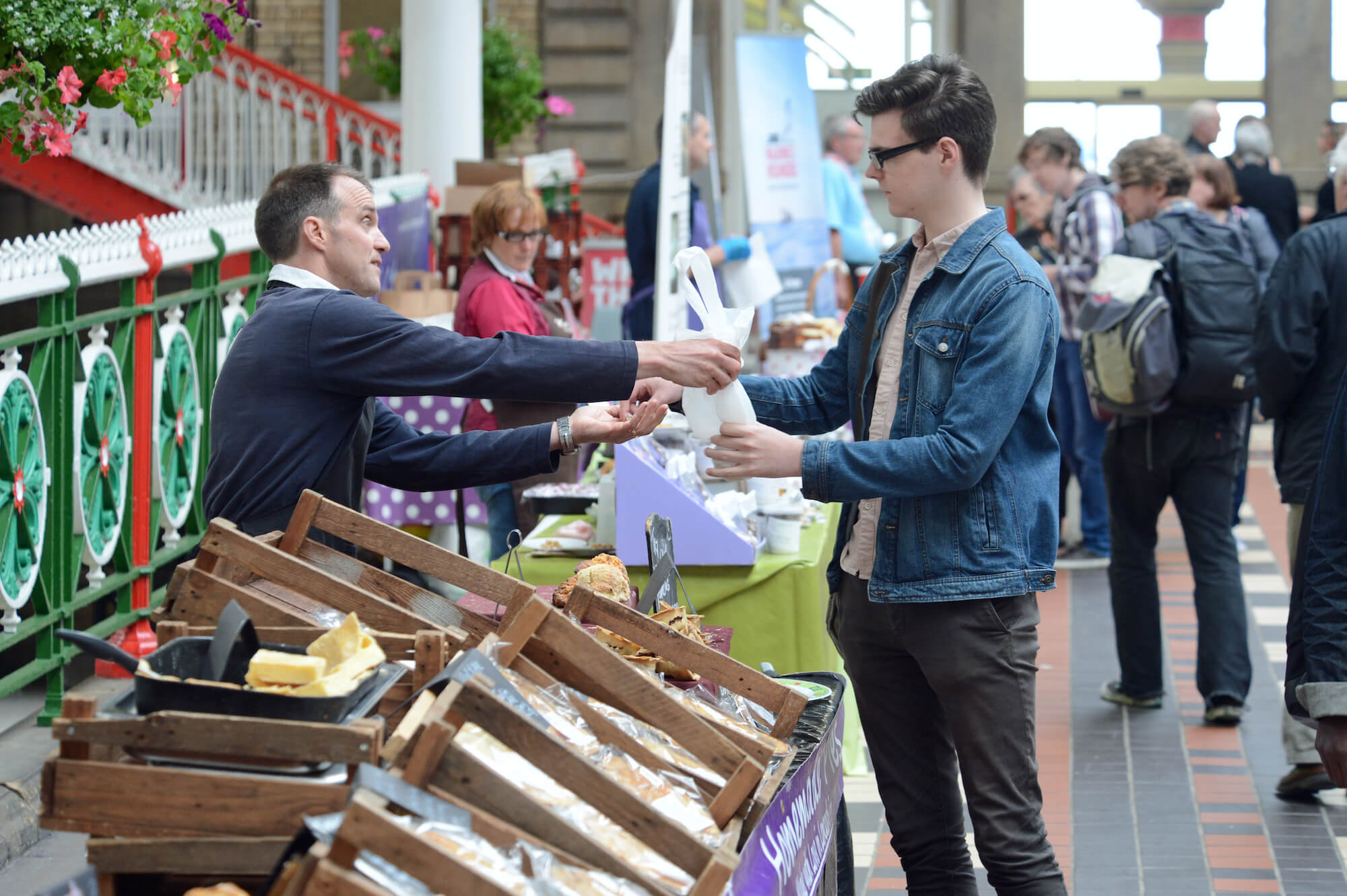
    Exploring the value rail travel brings to the economy, environment and society, including how it supports independent businesses and local communities.
    Exploring the value rail travel brings to the economy, environment and society, including how it supports independent businesses and local communities.

    How we are Celebrating the Railway

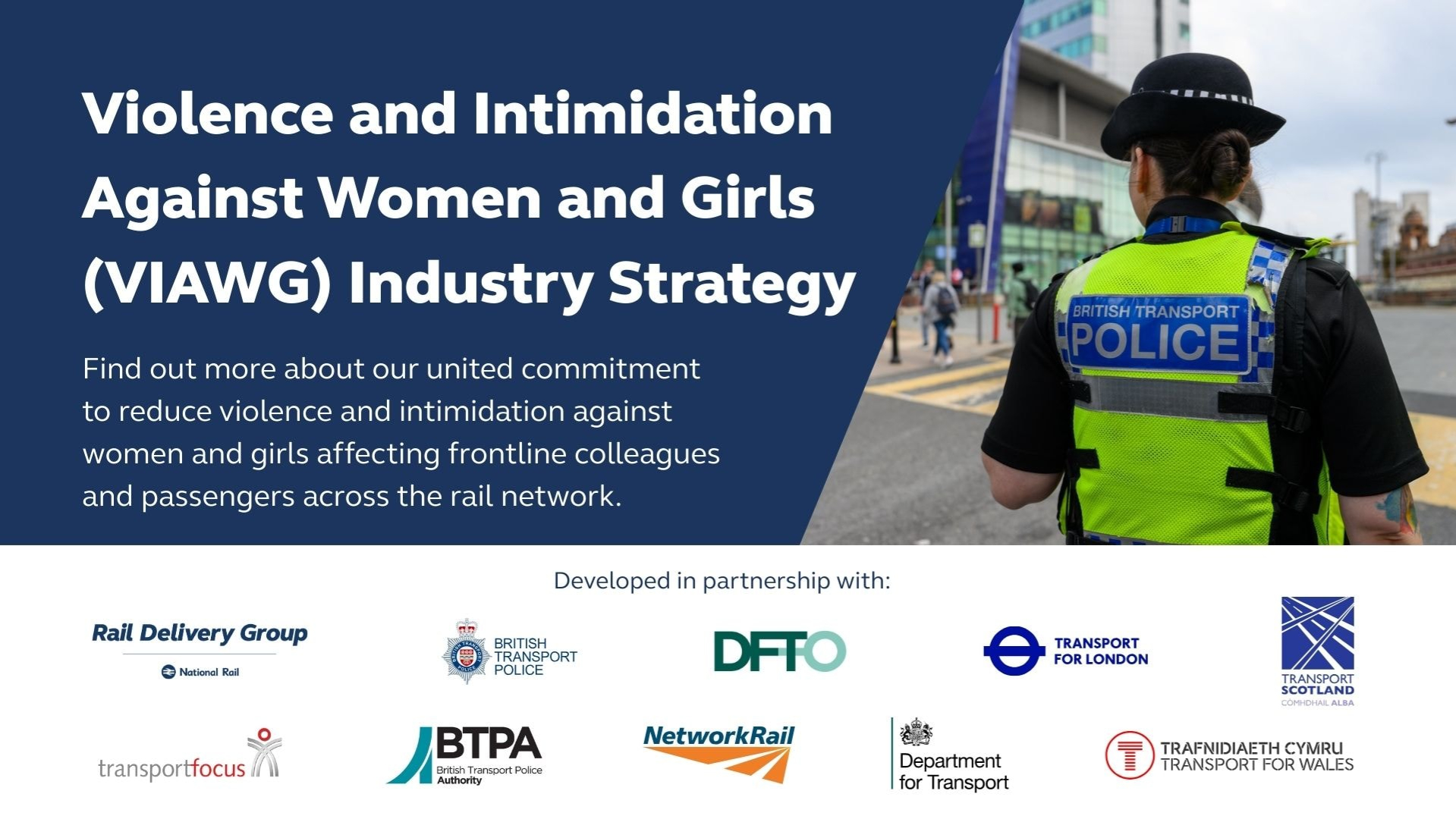
  • Violence and Intimidation Against Women and Girls

    Violence and Intimidation Against Women and Girls

    Customer

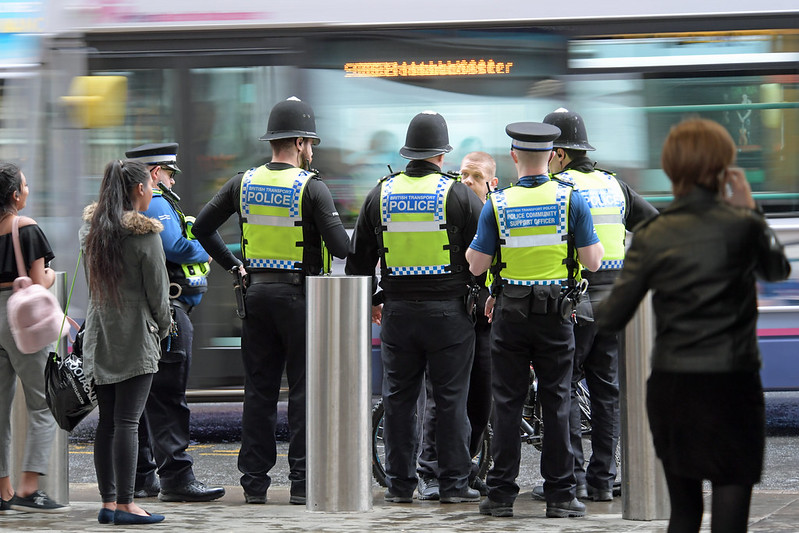
    Find out more about our joint commitment to reduce violence and intimidation against women and girls affecting frontline colleagues and passengers.

    Violence and Intimidation Against Women and Girls

  • SISJ

    Smarter Information Smarter Journeys

    Industry

    The Smarter Information, Smarter Journeys (SISJ) programme is the industry catalyst for delivering better and simpler customer information.
    The Smarter Information, Smarter Journeys (SISJ) programme is the industry catalyst for delivering better and simpler customer information to our people and our customers on Great Britain's Railways. The aim is to provide customers with all the information they want, when and how they want it.

    Read about Smarter Information Smarter Journeys

  • Train in depot being worked on by engineers

    Committed to improving the UK’s trains

    Customer

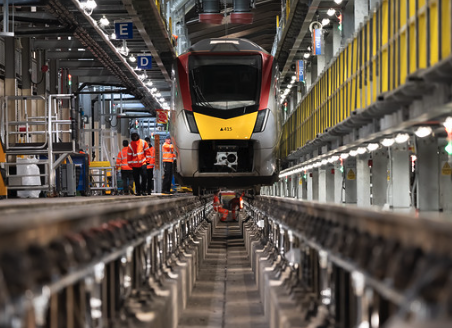
    Over the last decade, more than half of all passenger trains have been replaced or refurbished to make journeys more accessible, reliable and comfortable.
    Over the last decade, more than half of all passenger trains have been replaced or refurbished to make journeys more accessible, reliable and comfortable. That’s equivalent to 132-miles placed back-to-back, further than Newcastle to Sheffield, Cardiff to Coventry or 2,300 football pitches.

    Read our commitment

Media centre

View all Rail Delivery Group news and other resources on our Media Centre portal.

View all news

  • Railway acts to protect passengers and staff with new powers to ban repeat offenders

    Railway acts to protect passengers and staff with new powers to ban repeat offenders

    11 Jun 2026

    Passengers and rail staff receive more protection...
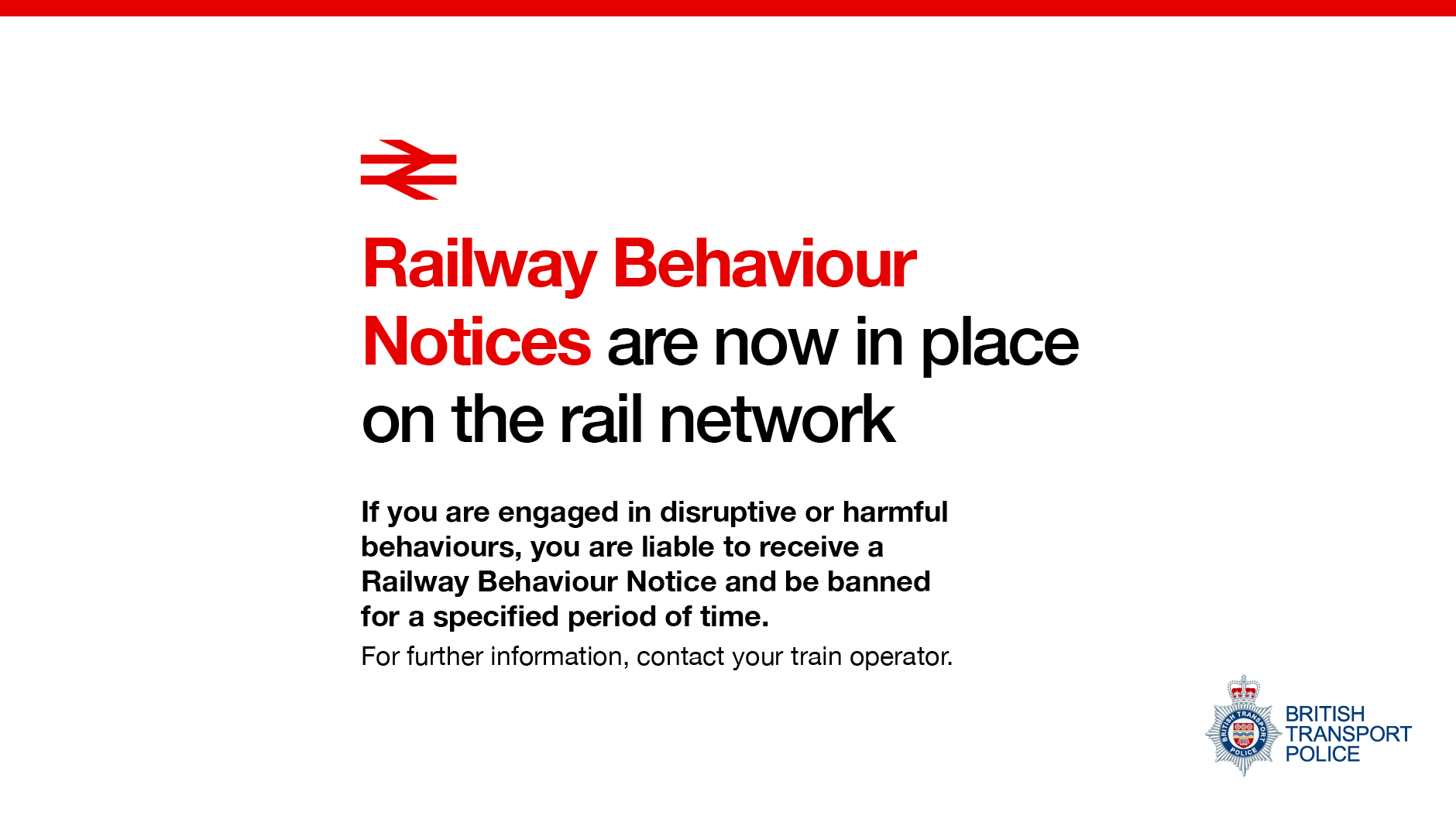
    Passengers and frontline rail staff are set to receive more protection from persistent antisocial behaviour at train stations.

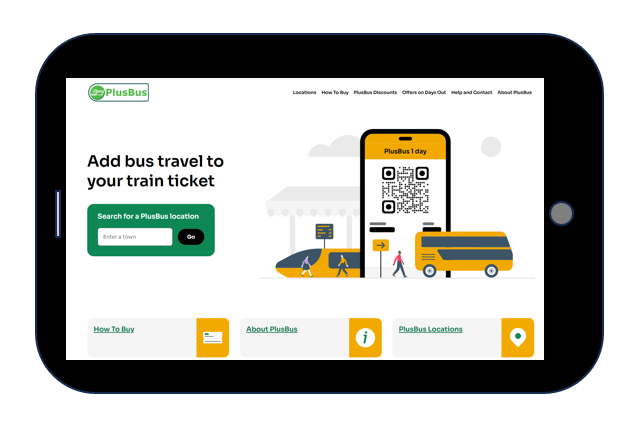
  • New digital PlusBus ticket enables seamless rail and bus travel

    New digital PlusBus ticket enables seamless rail and bus travel

    02 Apr 2026

    New digital ticket enables rail and bus travel...
    New digital PlusBus ticket enables seamless rail and bus travel

  • Rail industry and British Transport Police set out actions to tackle violence and intimidation against women and girls in new strategy

    Rail industry and British Transport Police set out actions to tackle violence and intimidation against women and girls in new strategy

    26 Mar 2026

    Rail industry and Transport Police tackle violence...
    Rail industry and British Transport Police set out actions to tackle violence and intimidation against women and girls in new strategy

  • Immersive VR film at Liverpool Lime Street station invites passengers to find out how they can help to tackle sexual harassment on the railway

    Immersive VR film at Liverpool Lime Street station invites passengers to find out how they can help to tackle sexual harassment on the railway

    28 Feb 2025

    Immersive VR film helps tackle sexual harassment on the railway...
    Immersive VR film at Liverpool Lime Street station invites passengers to find out how they can help to tackle sexual harassment on the railway

  • Biggest ever rail passenger satisfaction survey launches nationwide

    Biggest ever rail passenger satisfaction survey launches nationwide

    21 Jul 2025

    Biggest ever rail passenger satisfaction survey launches nationwide

  • Next stop: May half-term – train travel delivers over a £430m boost to local economies

    Next stop: May half-term – train travel delivers over a £430m boost to local economies

    24 May 2025

    Train travel delivers over a £430m boost to local economies
    Next stop: May half-term – train travel delivers over a £430m boost to local economies

  • 85% say Rail has role in tackling Violence against women and Girls: Industry sets out Safety Commitments

    85% say Rail has role in tackling Violence against women and Girls: Industry sets out Safety Commitments

    29 Apr 2025

    85% say Rail has role in tackling Violence against women and girls...
    85% say Rail has role in tackling Violence against women and Girls: Industry sets out Safety Commitments

  • See all news

    See all news

    Find more news and resources on our Media Centre portal...

    See all news

See what's happening right now

We post events, and comment on recent rail-related news

Latest events

Join us at these upcoming rail industry events
  • More events
    coming soon

View all events

Continue reading

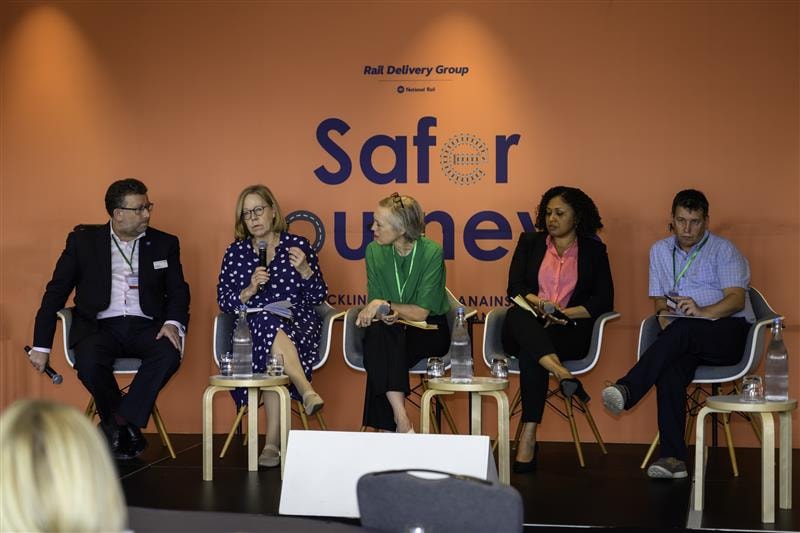
National Rail Recovery Conference summary

Andy Bagnall spoke at the National Rail Recovery Conference on Wednesday 4 May. A summary of his appearance can be found below:

Participants

  • Andy Bagnall, Director General, Rail Delivery Group (RDG)
  • Tan Dhesi MP, Shadow Rail Minister
  • Martin Tugwell, Chief Executive, Transport for the North
  • Rufus Boyd, Programme Director Passenger and Freight
  • Event Chair: Nigel Harris, RAIL and Paul Clifton, Transport Correspondent, BBC

Key points:

Andy Bagnall, RDG: In response to questioning on whether he thought the railway was fundamentally “broken” Andy disagreed and responded by saying that although the industry has significant challenges, the “profound moment of change” we are in will ultimately result positive outcomes for the railway. He went on to say that despite rail needed reform, we mustn’t forget some of the good things that have been delivered over recent years – for example, franchising which delivered some of the growth and improvements which the industry will need to see again. On the private sector, Andy stated that it needs to be given the right freedoms to what it does best, citing the example of the doubling of passenger numbers over the last 25 years. On GBR, Andy stressed that getting the culture right would be crucial to making it a success, while ensuring that it did not become overcentralised to the point that we lose the creativity of what delivered the private sector improvements in the past. When asked about industry cost pressures, Andy emphasised the importance of “running the ruler” over everything we do going forward, in what is an enormous issue for the sector.

Tan Dhesi MP: On industry cost cutting, Tan stressed that it is important that the industry doesn’t “cut” its way out of the pandemic and rather, it needed to “grow” out of it. This, he said, would be crucial to maintaining passengers – who may be put off rail due to reduced services – and avoiding a car-led recovery. When asked about fares, Tan applauded the current efforts to revolutionise the system, however, he said that we needed to ensure fares remained sustainable, citing the recent reduction of fares in New Zealand as an example of how we could make further improvements. During the session, Tan also expressed concerns of the lack of integration across the country and said this is another  example of where we can make improvements across the industry.

Martin Tugwell, Transport for the North: When questioned on the country levelling up, Martin stated that rail would be central to this as it would heavily rely on the movement of both people and goods. As such, he said we would need to plan for an 80% increase in rail to deliver future improvements to the economy, environment and social equity. On freight, Martin said that the market is still changing post-pandemic and that with 25% of freight beginning in the North, we need to make “tough decisions” to figure how we get the best out of the system. Working with local leaders, he said, would be crucial to this becoming a reality.

Rufus Boyd, GBRTT: Rufus stated that, with country now being very much post-pandemic, it was important that the industry stop using pre-Covid figure as a baseline for all of our future work, as this mindset would “hold us back” from embracing the true realities of the situation. He said the market has now changed significantly, especially commuter and business markets and that it was important that we start focussing on the figures of today. On the Williams-Shapps Plan for Rail, Rufus said that this is a huge opportunity to rebuild a new and improved network.

Centre for Policy Studies webinar: 17 May 2022

“The future of rail post COVID-19”

The discussion – held to mark the release of the CPS’ new report Changing Track – was uncontroversial with the panellists largely in agreement on the key issues. The panel covered the future role of Great British Railways, ticketing reform, sustainability in transport and industrial relations.

Industrial relations featured briefly as an aside and Andy Bagnall said that he was “disappointed” with the threat of strikes and argued there was an inescapable need to “manage the change”. No panellists disagreed with his comments.

As conveyed in previous seminars, Andy said that although the industry was expected to recover, there would undoubtedly be long-term changes to travel patterns that they would have to respond to. He stressed the need to get the GBR legislation right to create a “guiding mind not a controlling mind” and argued that GBR needed to allow TOCs the freedom to respond to demand and utilise their “commercial expertise and creativity”. Stephen Hammond MP was supportive of Andy’s comments but went further to criticise GBR as renationalisation. An overview of the webinar can be found below.

Panel:

  • Andy Bagnall, Director General, Rail Delivery Group
  • Stephen Hammond MP, Conservative (Former Rail Minister)
  • Jo Lewington, Chief Environment & Sustainability Officer, Network Rail
  • Champa Magesh, President, Trainline Partner Solutions
  • Tony Lodge, Chair, CPS Research Fellow


Post-Covid Recovery / GBR

Stephen Hammond MP argued that the 5-day commuter market was likely “dead” post-covid, and that the Williams-Shapps proposal risked making GBR a “national joke” that needed to prove itself as a nimble operator that could respond to evolving demand patterns.

  • Hammond later said there needed to be incentives for TOCs to operate in the UK and called GBR a “renationalisation” of the railway that risked “deadening” innovation.
  • Andy Bagnall partially agreed with Hammond, saying that franchising delivered as a system when considering passenger numbers, but that it did need changes. Bagnall said he did want to see a range of contracts and hoped that DfT enabled the right balance of revenue risk transfer and commercial flexibility.

Industrial Relations

  • Jo Lewington said Network Rail were going to avoid strike action “at all costs”. 
  • Andy said he was “disappointed” with the threat of strikes and said he hoped the unions would work with the industry to “manage the change”, especially during rail’s “nascent recovery”. He further stated that the level of Government funding was unsustainable for any industry.

Ticketing

  • Tony Lodge (Chair) praised Trainline for their innovative approach and disagreed with the Government’s ticketing plans saying that GBR should not run the system but instead enable a competitive market of platforms to let people access tickets.
  • Bagnall said he wanted an acceleration in the Government’s rollout of expanded pay-as-you-go and hoped for broader concession models in urban areas.
  • Champa Magesh agreed with Bagnall that there needed to be room for the private sector in the ticketing space to make risky investments and technological advances. She argued that the private sector could market in niche areas not accessible to a monolithic body and effectively change consumers’ habits. Magesh pointed to the diversity of ticket retailers in the airline industry as a successful model that could attract a diversity of retailing offers, including packages with accommodation and parking included.
  • Bagnall said the sheer complexity of the ticketing system put off passengers from buying tickets and that changes required the Government to amend fares regulation.

Environmental

  • Lewington said the industry had to be realistic about the cost of wholesale network electrification, pointing to alternatives like hydrogen. Lewington said Network Rail were engaging the industry not only on battery and hydrogen solutions but other emerging green technologies.
  • Mugesh said that the green credentials of rail were being challenged by EV vehicle and charger rollouts and that they had to make the case for a sustainable railway to the consumer.